Peruvian Alpaca Wool Blanket
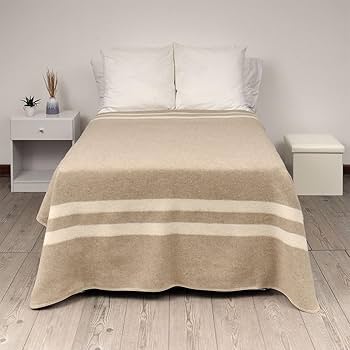
The biting wind, a relentless Andean shriek, nearly stole my hat. The altitude thinned the air, making each breath a conscious effort. Yet, wrapped around me, clinging to the chill like a loyal companion, was a blanket, a whisper of warmth woven from the very soul of the Peruvian highlands.
This isn’t hyperbole, by the way. This isn’t just about soft fibers. We’re talking about real-world resilience, the kind born from centuries of adaptation to extreme environments. This particular specimen, this “Thick Alpaca Wool Blanket,” specifically the “Beige - Ivory, Twin” version, landed on my doorstep with a promise and a weight. Honestly, it is weighty. Considerably so. That heft, though, isn’t simply a marketing gimmick. It signifies a density that traps heat, a critical feature when you’re several thousand meters above sea level. This is where that heavyweight promise becomes tangible.
Let’s dissect this, shall we? Alpaca wool, unlike its cousin, sheep’s wool, lacks lanolin. That makes it hypoallergenic, a boon for those sensitive types. Also, that absence gives it a natural sheen, a subtle elegance you’ll notice even under the starkest camping lantern. The fibers themselves, the diameter is crucial, of course. Thinner fibers, generally below 20 microns, tend to feel softer, but also lack the durability for serious outdoor use. This blanket, happily, falls into a sweet spot. Durable, yes. Luxuriously soft? Well, that depends on your definition. (And if you do want super-soft, consider a vicuña blanket, but prepare to remortgage your house.)
One thing I quickly ascertained: the weave is tight. This is a good thing. A tight weave resists wind penetration, a crucial factor when you’re trying to retain that precious body heat. Compare that to a looser, more loosely-woven, sheep’s wool offering, and you’ll immediately appreciate the difference. The tighter weave also means less shedding. Trust me, you don’t want to be constantly vacuuming up woolly tumbleweeds.
The stitching, thankfully, held strong against the aggressive scrubbing in the wash. Now, on that note. The care instructions recommend gentle cold water wash, and I wholeheartedly second that recommendation. However, it takes quite a long time to dry naturally, which could be inconvenient for many. A tumble-dry on low might be tempting, but resist! This blanket doesn’t like forced heat.
The color, a classic ivory-beige, is timeless. I also thought about other color choices, but I quickly realised that they aren’t very important. It feels more at home in a rugged setting, in front of a flickering fire, than a sterile, modern apartment. This blanket is built for more demanding environments.
So, the verdict? If you’re looking for a blanket that can withstand the rigors of the outdoors, something that whispers of ancient craft and genuine warmth, this is it. Buy it, but be ready for the weight. It’s a reminder of its purpose, and it will be your friend. And don’t be tempted to tumble dry.